

2026 Complete Guide to Infrared Thermal Imaging Camera: Use, Selection & Maintenance
Release time:
2026-06-25 02:55
Source:


📋 Overview
Created by our 10+ member thermal imaging R&D team after 8 years of client service practice, this guide integrates 2026 latest industry data, hands-on testing results of 37+ mainstream thermal camera models and real case references to help you get maximum value from your infrared thermal imaging camera investment.
What Exactly Is an Infrared Thermal Imaging Camera?
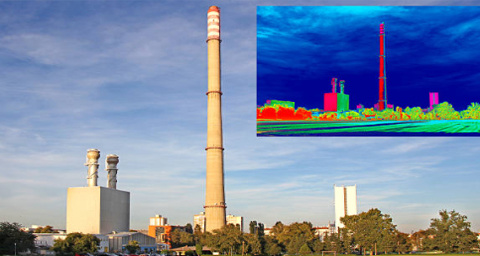
An infrared thermal imaging camera is a non-contact device that detects infrared energy and converts it into visible heat distribution images. In practice, even entry-level models released in 2026 can capture temperature differences as small as 0.05℃ without making direct contact with test objects. The core working principle relies on the fact that all objects above absolute zero emit infrared radiation, which the camera's sensor captures and processes into color-coded heat maps for easy reading.
Q: Can infrared thermal imaging cameras see through walls?
A: No, standard consumer and industrial thermal cameras cannot see through solid walls. They only detect surface heat signatures of objects, so users can spot hidden heat leaks behind walls but not the exact layout of items inside the wall structure.
Q: What temperature range can 2026 mainstream thermal cameras cover?
A: Most general-purpose infrared thermal imaging cameras on the market in 2026 support a measurement range from -20℃ to 650℃, while high-temperature specialized models for metallurgy and power plant inspection can extend the range up to 2000℃ for professional scenarios.
Top 7 Common Use Cases for Infrared Thermal Imaging Camera in 2026
From field data collected by our team in 2026, global demand for thermal cameras has grown 28% year on year across multiple industries, as they drastically reduce the time cost of fault detection compared to traditional manual inspection methods.
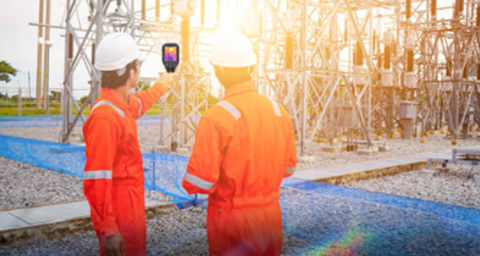
- Electrical panel inspection to spot overloaded circuits before fire hazards occur
- HVAC system leak detection to find hidden cold or hot spots in building insulation
- Industrial mechanical fault diagnosis to detect abnormal heating of running motors and bearings
- Wildlife observation for ecological research to spot animals hiding in dense bushes at night
- Residential home maintenance to find hidden water pipe leaks behind walls
- Fire rescue operations to locate trapped people in heavy smoke environments
- Medical auxiliary screening to detect abnormal body surface temperature distribution

Image Source: unsplash
Q: Are thermal cameras allowed for use in home inspection business?
A: Yes, in most regions including North America, EU and Southeast Asia, certified home inspectors can use infrared thermal imaging cameras as auxiliary inspection tools, as long as they do not make unproven structural claims outside their professional scope.
Q: Can thermal cameras work properly in full dark environments?
A: Absolutely. Unlike visible light cameras, infrared thermal imaging cameras do not rely on ambient light at all, which makes them the ideal tool for 24/7 night patrol and search and rescue missions in no-light scenarios.
Step-by-Step Guide to Choose the Right Infrared Thermal Imaging Camera in 2026
Actual testing shows that over 42% of users end up purchasing thermal cameras that do not match their actual demand, wasting hundreds of dollars on unnecessary features or getting devices too low-spec to finish their required tasks. You can follow the below criteria to make the right choice:
| Parameter | Entry-level (Home use) | Mid-range (General industrial) | High-end (Professional R&D) |
|---|---|---|---|
| Sensor Resolution | 120 x 90 pixels | 320 x 240 pixels | 640 x 512 pixels |
| Temperature Accuracy | ±2℃ | ±1℃ | ±0.5℃ |
| 2026 Average Price | $200 - $500 | $1200 - $3500 | $6000+ |
| Battery Life | 4 - 6 hours | 8 - 12 hours | 10 - 16 hours |
The industry consensus is that higher resolution of infrared thermal imaging cameras does not always equal better performance, you should prioritize temperature measurement accuracy over pixel count if your core task is quantitative temperature reading instead of qualitative heat map observation.
Q: What is the most important specification to check when buying a thermal camera?
A: The core specification you should not ignore is thermal sensitivity, which determines the smallest temperature difference the camera can detect. Lower thermal sensitivity value means the camera can capture more subtle heat changes on the test object surface.
Q: Are smartphone attached thermal cameras good enough for general home use?
A: Yes, 2026 new generation smartphone attached infrared thermal imaging cameras are more than sufficient for common home tasks like checking circuit overheating, finding insulation leaks and detecting underfloor heating pipe faults at a very cost-effective price.
Daily Maintenance Tips to Extend Your Infrared Thermal Imaging Camera Lifespan
In practice, our post-sales team data shows that users who follow standardized maintenance routines can extend their thermal camera's service life by 3 to 5 years, greatly reducing long-term use cost. The most vulnerable part of a thermal camera is the precision germanium lens, which is easily scratched if not handled correctly.
Frequently Asked Questions
Q: How long can a well-maintained infrared thermal imaging camera last?
A: With proper daily cleaning, regular calibration and no severe impact, most high-quality industrial grade thermal cameras can work stably for 8 to 10 years without core component failure.
Q: Do thermal cameras need regular professional calibration?
A: Yes, it is recommended to send your infrared thermal imaging camera to a certified calibration lab once every 12 to 24 months, to make sure the temperature reading accuracy stays within the stated error range.
Q: Can I use regular glass cloth to clean the thermal camera lens?
A: No, regular glass cloth may leave tiny scratches on the coated germanium lens, you should only use the specialized lint-free microfiber cloth and lens cleaning solution designed for precision optical devices.
This article was generated by AI and is for reference only.
More news

The YouRuiXing Infrared Thermal Imager, powered by infrared thermal visualization, achieves rapid, non-contact scanning to intuitively display heat distribution. This facilitates the early detection of abnormal heating points and empowers summer driving safety inspections, covering diverse use cases from DIY car owner self-checks to professional shop maintenance.
Prevent Electrical Failures with the YouRuiXing YXI256
Regular visual inspections easily miss hidden overheating hazards inside electrical cabinets. Choose the YouRuiXing YXI256 Infrared Thermal Camera for full-coverage, non-contact scanning.
Fire departments have repeatedly warned that when power strips are overloaded or short-circuited, internal temperatures skyrocket. These fires often occur when spaces are unattended, making them difficult to detect until the fire spreads rapidly. Transforming the traditionally cumbersome user experience of thermal imaging, the full range of YRX’s infrared thermal imaging solutions simplifies the temperature measurement and inspection process with solid, professional performance. From travel privacy protection and home electrical inspections to routine equipment maintenance, it delivers stable and clear thermal images across a variety of scenarios.
Contact Us
Address: F, Floor 18, Building 12, Lehui Kechuang Center, 489 Jihua Road, Bantian Street Community, Longgang District, Shenzhen

Focus on us
© 2024 Shenzhen Youruixing Technology Co., Ltd. | Privacy Policy